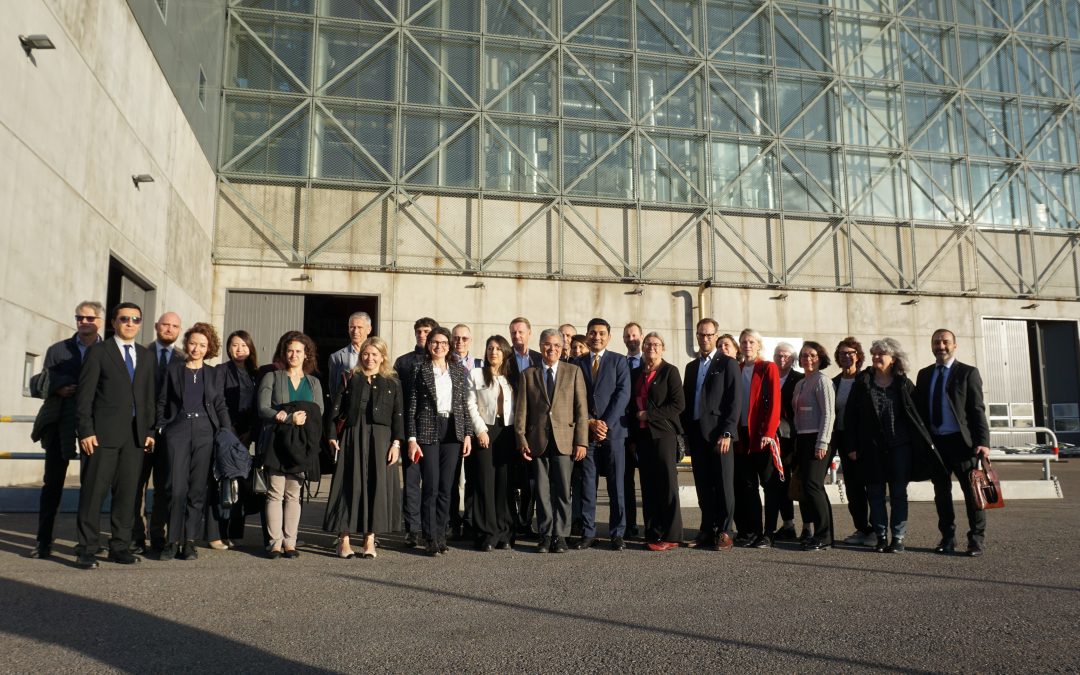
The Association of Diplomats Stockholm (ADS) in cooperation with Region Östergötland, organised a two-day delegation visit to the cities of Linköping and Norrköping. With the theme “A Region Where Collaboration Is Key” the programme offered the delegates a first-hand insight into Östergötland’s dynamic innovation landscape, exploring how strong partnerships between academia, industry, and the public sector have created one of Sweden’s most forward-looking and competitive regions.
A region of growth and partnership
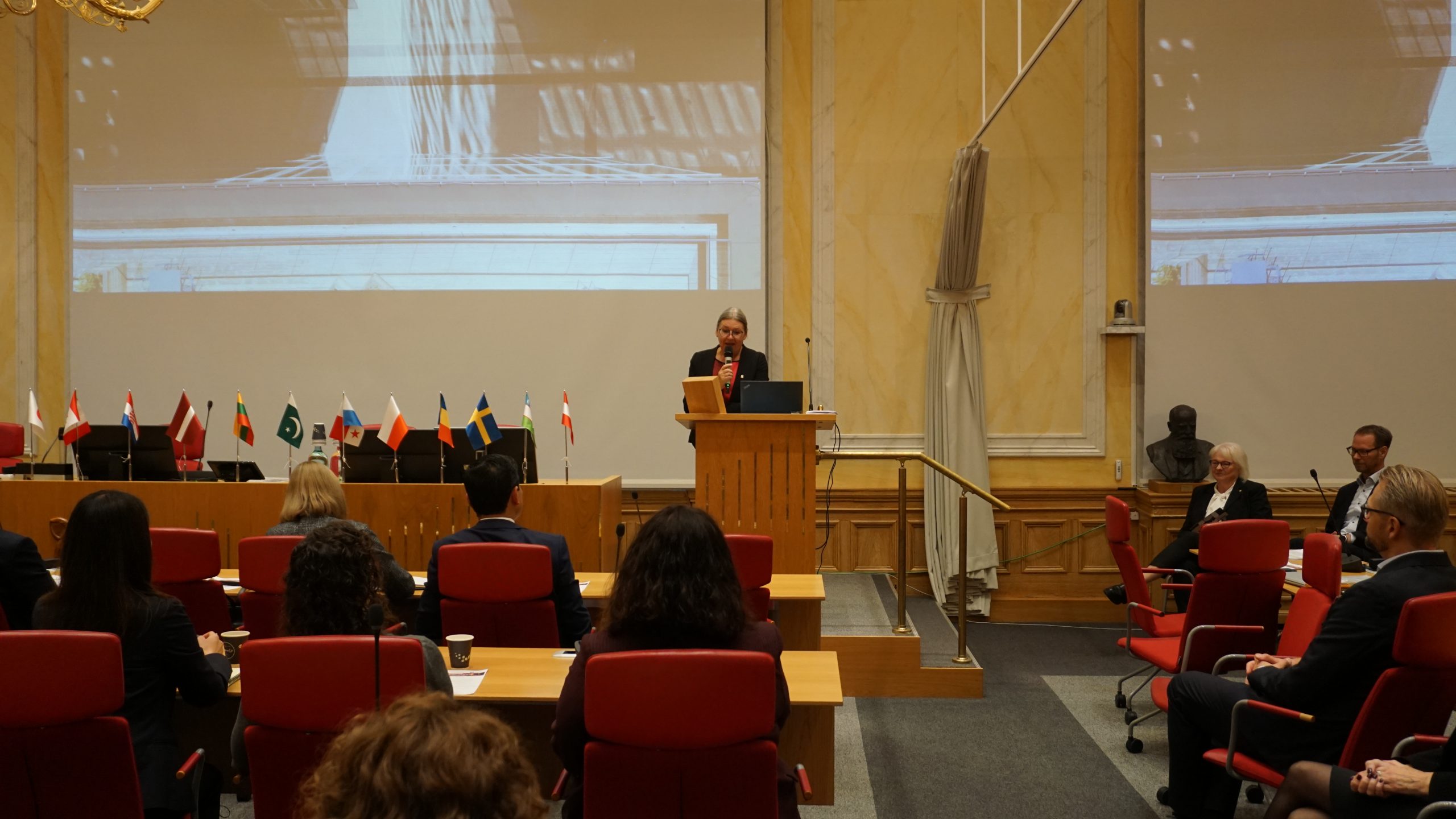
The group was warmly welcomed by Ms. Gunilla Svantorp, Governor of Östergötland and introduced to the programme which highlighted how deep-rooted collaboration between government, academia and industry has positioned the region as one of Sweden’s most forward-looking and innovative.
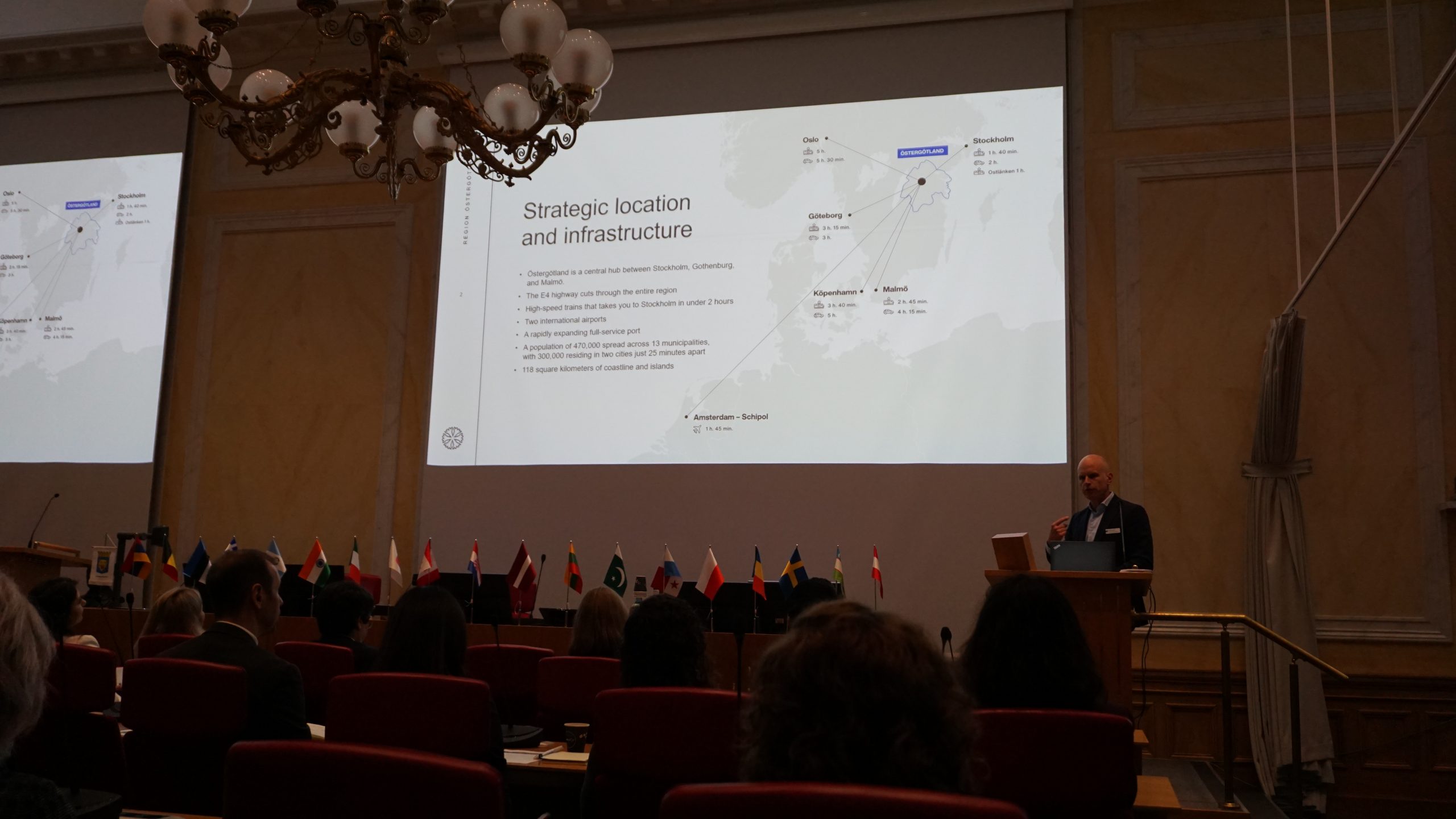
Mr. Richard Widén, Regional Development Director at Region Östergötland, outlined the region’s strategic position in Sweden and its strong transport links, including the E4 corridor, regional airport connections and access to an expanding seaport. He emphasised that close cooperation among the county’s 13 municipalities has been essential for coordinating sustainability initiatives, strengthening innovation capacity and driving shared regional development.
Mr. Erik Åqvist, Head of Economic Development at the City of Linköping shared how decades of close collaboration between academia, business and government, the triple helix model, have transformed Linköping into Europe’s most innovative city. He described how global megatrends such as defence technology, AI and the green transition drive the city’s growth, supported by major infrastructure investments like new rail lines and a central station that will further connect people, ideas and industries.
Linköping University Innovation Ecosystem and Defence Collaboration
At Linköping University (LiU), Ms. Maria Engelmark, Director of International Affairs, presented the university’s global engagement and close partnerships with industry and society. LiU hosts leading centres of excellence, including the Laboratory of Organic Electronics (LOE) and Artificial Intelligence and Integrated Computer Systems (AI4X) and is a key partner in the national research programmes WASP and WISE.
Vice-Chancellor Mr. Per-Olof Brehmer and Deputy Vice-Chancellor Ms. Karin Axelsson presented LiU’s comprehensive academic model and commitment to nurturing talent within the region. Mr. Johan Lilliecreutz, CEO of LiU Holding AB, introduced the Defence Innovation Hub Initiative and the LEAD Defence Accelerator, illustrating how academia, startups and the defence sector work together to accelerate dual-use innovation. Collaborative initiatives with NATO’s DIANA Accelerator and Ukraine’s Brave1 platform further underline the international scope of this network.
Concluding the session, Mr. Per-Olof Marklund, Director and Head of Technology Innovation at Saab, described the company’s legacy as a leading global defence and security company, stressing that rapid innovation and close collaboration with LiU and other academic partners are essential to Saab’s competitiveness and capacity for renewal.
The Association of Diplomats Stockholm (ADS) in cooperation with Region Östergötland, organised a two-day delegation visit to the cities of Linköping and Norrköping. With the theme “A Region Where Collaboration Is Key” the programme offered the delegates a first-hand insight into Östergötland’s dynamic innovation landscape, exploring how strong partnerships between academia, industry, and the public sector have created one of Sweden’s most forward-looking and competitive regions.
A region of growth and partnership
The group was warmly welcomed by Ms. Gunilla Svantorp, Governor of Östergötland and introduced to the programme which highlighted how deep-rooted collaboration between government, academia and industry has positioned the region as one of Sweden’s most forward-looking and innovative.
Mr. Richard Widén, Regional Development Director at Region Östergötland, outlined the region’s strategic position in Sweden and its strong transport links, including the E4 corridor, regional airport connections and access to an expanding seaport. He emphasised that close cooperation among the county’s 13 municipalities has been essential for coordinating sustainability initiatives, strengthening innovation capacity and driving shared regional development.
Mr. Erik Åqvist, Head of Economic Development at the City of Linköping shared how decades of close collaboration between academia, business and government, the triple helix model, have transformed Linköping into Europe’s most innovative city. He described how global megatrends such as defence technology, AI and the green transition drive the city’s growth, supported by major infrastructure investments like new rail lines and a central station that will further connect people, ideas and industries.
Linköping University Innovation Ecosystem and Defence Collaboration
At Linköping University (LiU), Ms. Maria Engelmark, Director of International Affairs, presented the university’s global engagement and close partnerships with industry and society. LiU hosts leading centres of excellence, including the Laboratory of Organic Electronics (LOE) and Artificial Intelligence and Integrated Computer Systems (AI4X) and is a key partner in the national research programmes WASP and WISE.
Vice-Chancellor Mr. Per-Olof Brehmer and Deputy Vice-Chancellor Ms. Karin Axelsson presented LiU’s comprehensive academic model and commitment to nurturing talent within the region. Mr. Johan Lilliecreutz, CEO of LiU Holding AB, introduced the Defence Innovation Hub Initiative and the LEAD Defence Accelerator, illustrating how academia, startups and the defence sector work together to accelerate dual-use innovation. Collaborative initiatives with NATO’s DIANA Accelerator and Ukraine’s Brave1 platform further underline the international scope of this network.
Concluding the session, Mr. Per-Olof Marklund, Director and Head of Technology Innovation at Saab, described the company’s legacy as a leading global defence and security company, stressing that rapid innovation and close collaboration with LiU and other academic partners are essential to Saab’s competitiveness and capacity for renewal.
NAISS – High-Performance Computing for Collaborative Research
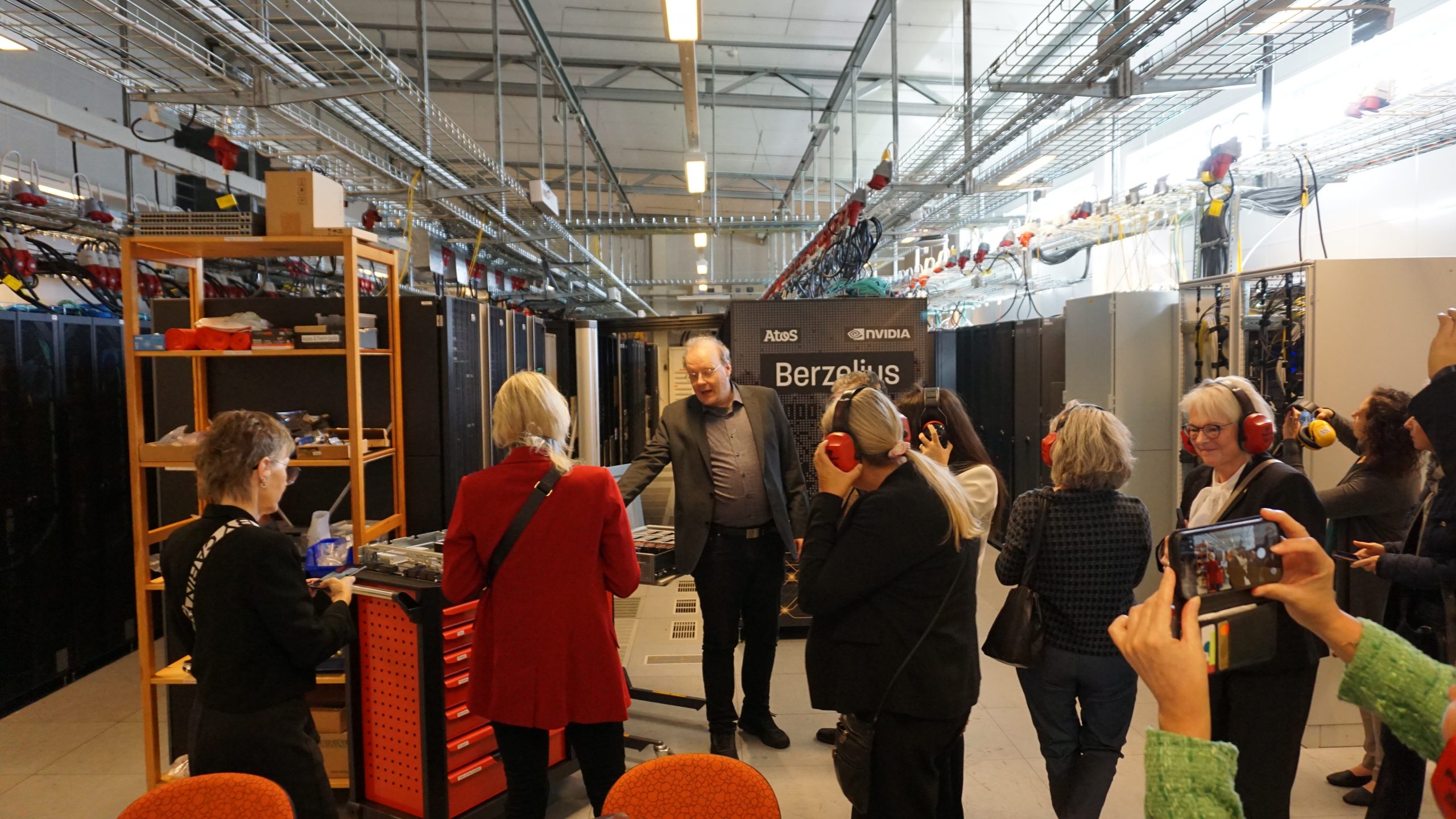
At NAISS (National Academic Infrastructure for Supercomputing in Sweden), Mr. Erik Lindahl, Director, presented Sweden’s growing capacity in high-performance computing. He introduced Mimer, the new European AI Factory developed with RISE and Arrhenius, the upcoming EuroHPC supercomputer for next-generation research. The delegation also toured Berzelius, one of Sweden’s most powerful supercomputers, which enables collaborative, data-driven innovation across disciplines.
Tekniska Verken – A Leading Municipal Utility Driving Sustainable Infrastructure
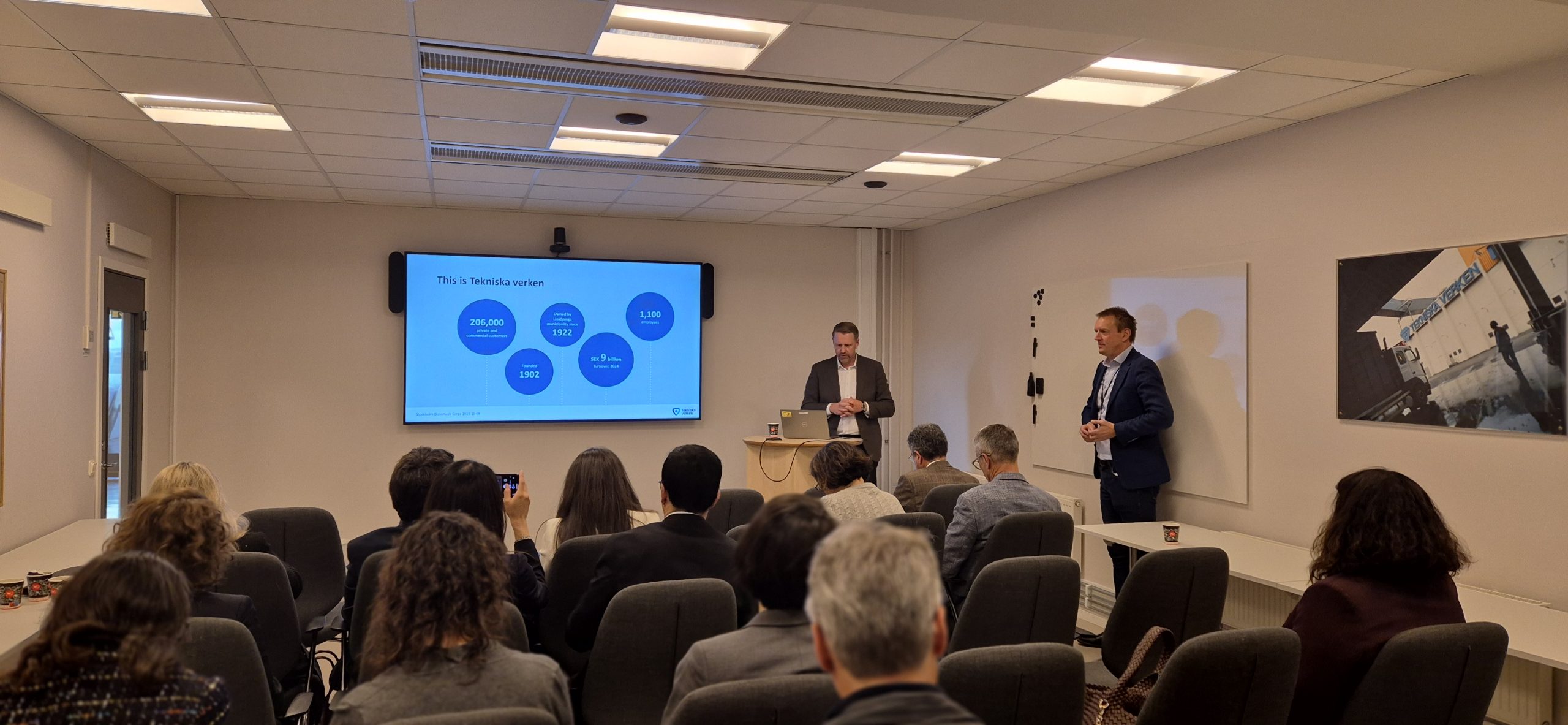
At Tekniska Verken, CEO Conny Udd and Public Affairs Director Per Everhill welcomed the delegation with an overview presentation of their activities, followed by a guided tour of the site. Tekniska verken is a municipally owned multi‐utility company providing essential services in energy, water, waste management and district heating.
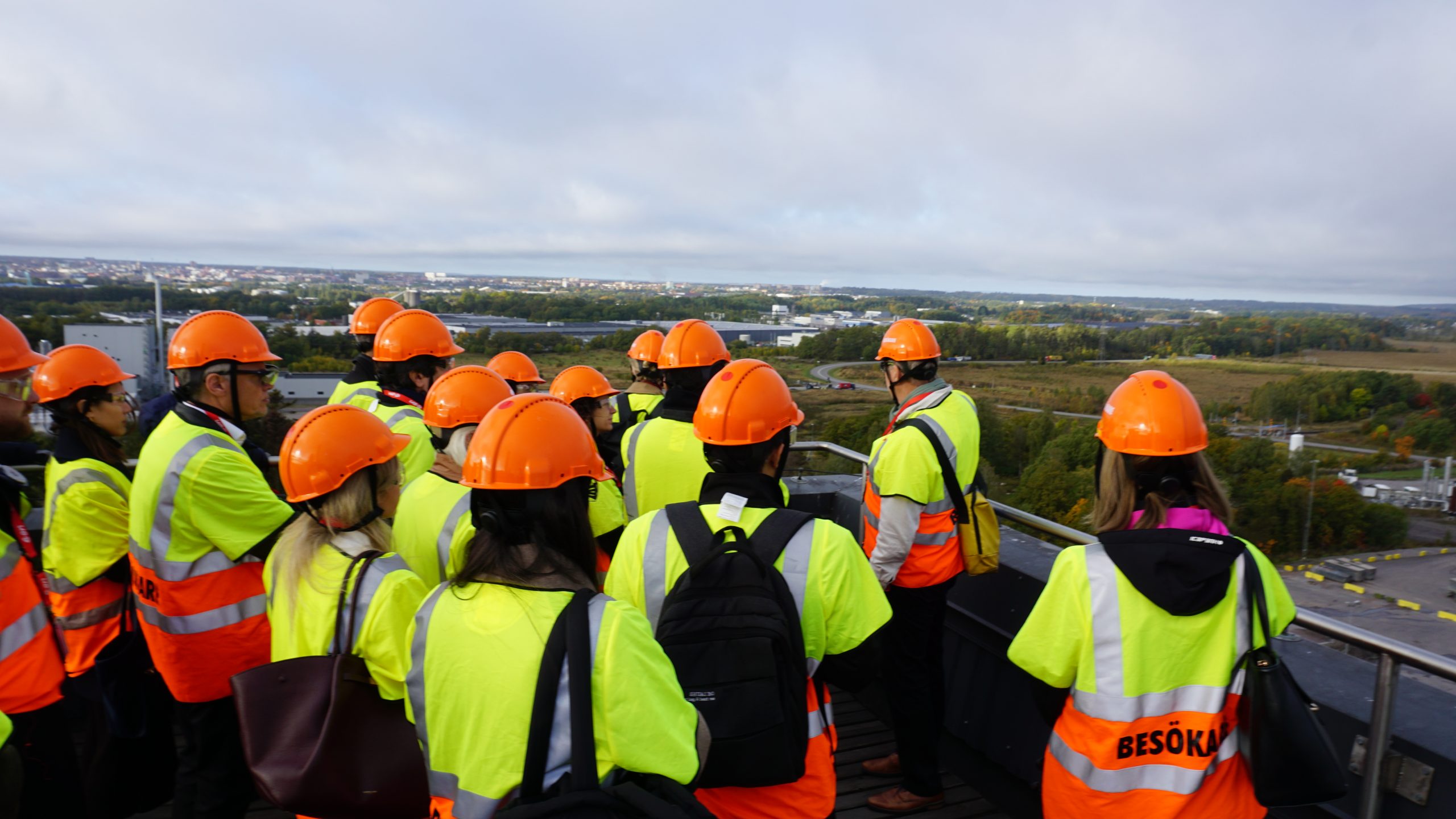
Tekniska verken is widely recognized for its commitment to sustainability and a circular approach to resources. In Linköping it has developed one of Sweden’s most resource-efficient local energy systems by treating waste as a resource and aiming for “zero waste” through reuse and recycling. The company’s operations span combined heat-and-power generation (often co-producing electricity and heat from waste and biomass), renewable biogas production, clean water and wastewater treatment and extensive recycling and waste-to-energy programmes. This focus on circular resource use reflects Tekniska verken’s role in supporting Linköping’s green transition.
NAISS – High-Performance Computing for Collaborative Research
At NAISS (National Academic Infrastructure for Supercomputing in Sweden), Mr. Erik Lindahl, Director, presented Sweden’s growing capacity in high-performance computing. He introduced Mimer, the new European AI Factory developed with RISE and Arrhenius, the upcoming EuroHPC supercomputer for next-generation research. The delegation also toured Berzelius, one of Sweden’s most powerful supercomputers, which enables collaborative, data-driven innovation across disciplines.
Tekniska Verken – A Leading Municipal Utility Driving Sustainable Infrastructure
At Tekniska Verken, CEO Conny Udd and Public Affairs Director Per Everhill welcomed the delegation with an overview presentation of their activities, followed by a guided tour of the site. Tekniska verken is a municipally owned multi‐utility company providing essential services in energy, water, waste management and district heating.
Tekniska verken is widely recognized for its commitment to sustainability and a circular approach to resources. In Linköping it has developed one of Sweden’s most resource-efficient local energy systems by treating waste as a resource and aiming for “zero waste” through reuse and recycling. The company’s operations span combined heat-and-power generation (often co-producing electricity and heat from waste and biomass), renewable biogas production, clean water and wastewater treatment and extensive recycling and waste-to-energy programmes. This focus on circular resource use reflects Tekniska verken’s role in supporting Linköping’s green transition.
Händelö Eco-Industrial Park - A Leading Model of Industrial Symbiosis in Sweden
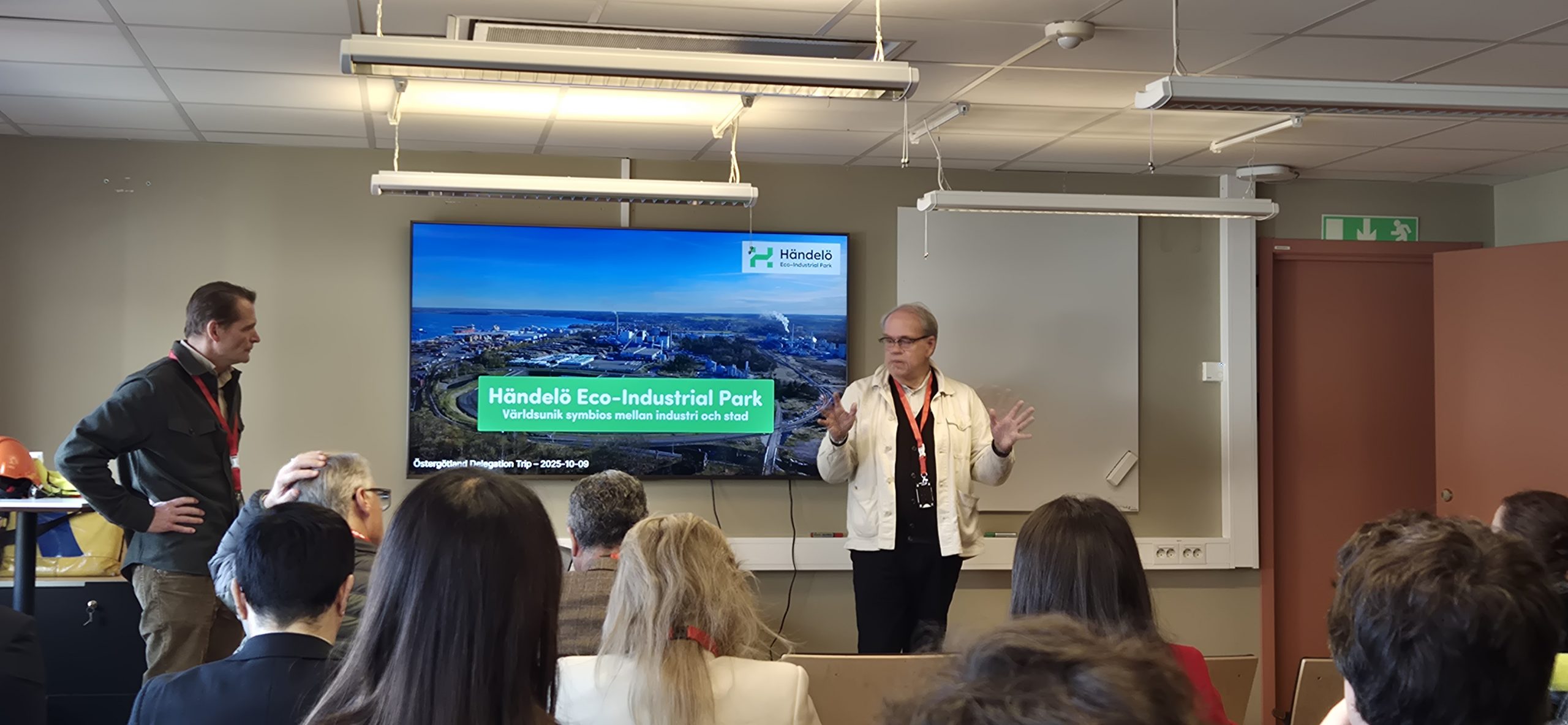
On the second day at Händelö Eco-Industrial Park (HEIP) in Norrköping, Mr. Mattias Redeborn (E.ON) and Mr. Ian Hamilton (Cleantech Östergötland) presented how the cluster of companies at Händelö collaborates through shared energy and material flows. The park is recognised as one of Sweden’s leading examples of industrial symbiosis, where businesses exchange heat, steam, by-products and other resources to reduce emissions and increase efficiency. This cooperative model demonstrates how industrial collaboration can drive both environmental and economic benefits.
Professor Mats Eklund, from LiU’s Department of Environmental Technology and Management, elaborated on the value of cross-sector collaboration in creating sustainable business models. Drawing from the HEIP project, he demonstrated how industries, municipalities and regions can jointly create new value chains by reusing materials and energy. His message was clear: true sustainability is achieved when businesses and public institutions cooperate across boundaries to transform waste into new resources.
Händelö Eco-Industrial Park - A Leading Model of Industrial Symbiosis in Sweden
On the second day at Händelö Eco-Industrial Park (HEIP) in Norrköping, Mr. Mattias Redeborn (E.ON) and Mr. Ian Hamilton (Cleantech Östergötland) presented how the cluster of companies at Händelö collaborates through shared energy and material flows. The park is recognised as one of Sweden’s leading examples of industrial symbiosis, where businesses exchange heat, steam, by-products and other resources to reduce emissions and increase efficiency. This cooperative model demonstrates how industrial collaboration can drive both environmental and economic benefits.
Professor Mats Eklund, from LiU’s Department of Environmental Technology and Management, elaborated on the value of cross-sector collaboration in creating sustainable business models. Drawing from the HEIP project, he demonstrated how industries, municipalities and regions can jointly create new value chains by reusing materials and energy. His message was clear: true sustainability is achieved when businesses and public institutions cooperate across boundaries to transform waste into new resources.
Visualiseringscenter and Creative Synergies
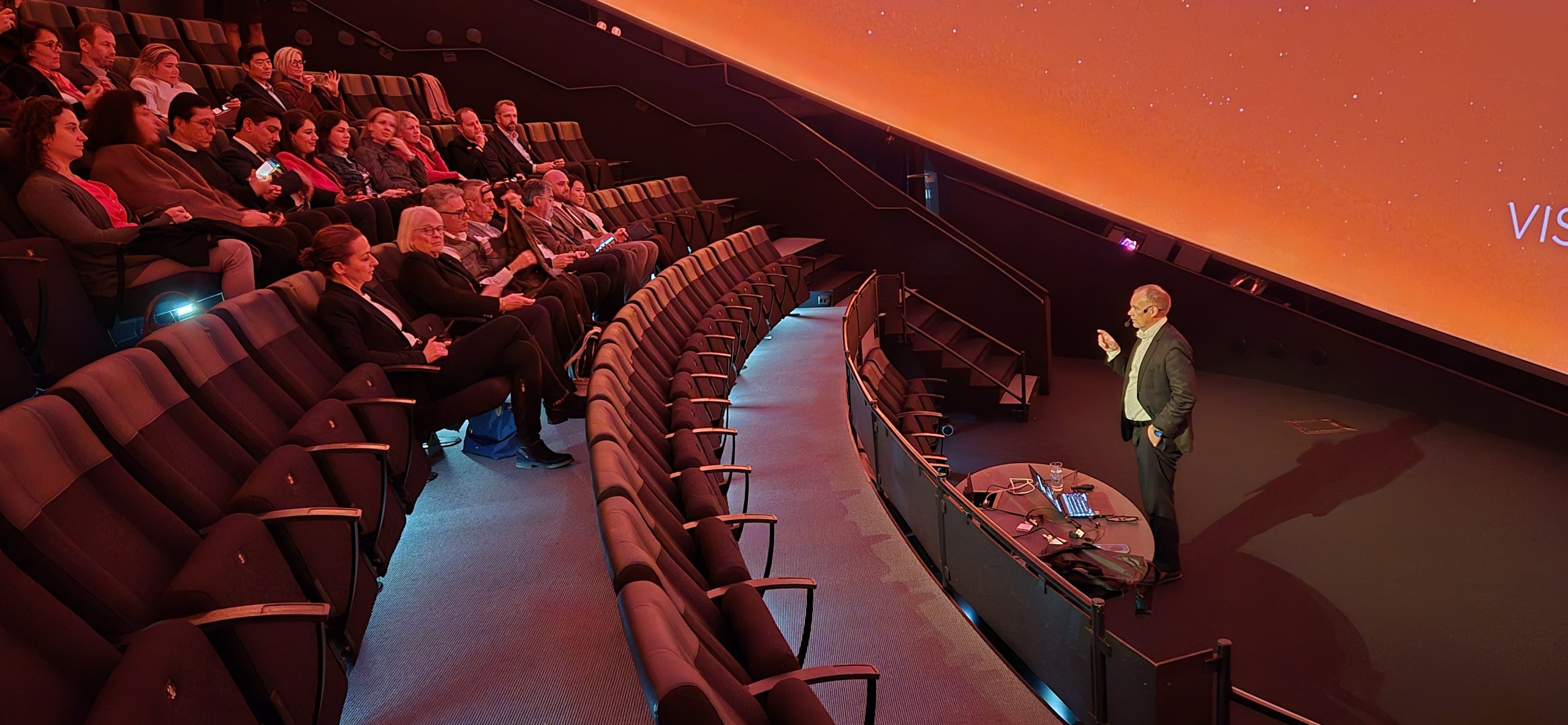
At Visualiseringscenter C in Norrköping, Professor Anders Ynnerman showcased advanced visualization technologies and research supported by the WASP programme. Delegates experienced the immersive Wisdome dome theatre and OpenSpace simulations, highlighting how Östergötland’s strong visualization and AI ecosystem connects science with public engagement. The centre has become a regional innovation hub where researchers, industry partners and creative teams work together to develop new ways of interpreting complex data, demonstrating how collaboration between research, technology and art fosters creativity and innovation.
Visualiseringscenter and Creative Synergies
At Visualiseringscenter C in Norrköping, Professor Anders Ynnerman showcased advanced visualization technologies and research supported by the WASP programme. Delegates experienced the immersive Wisdome dome theatre and OpenSpace simulations, highlighting how Östergötland’s strong visualization and AI ecosystem connects science with public engagement. The centre has become a regional innovation hub where researchers, industry partners and creative teams work together to develop new ways of interpreting complex data, demonstrating how collaboration between research, technology and art fosters creativity and innovation.
Hope - A Creative Hub for Regional Collaboration
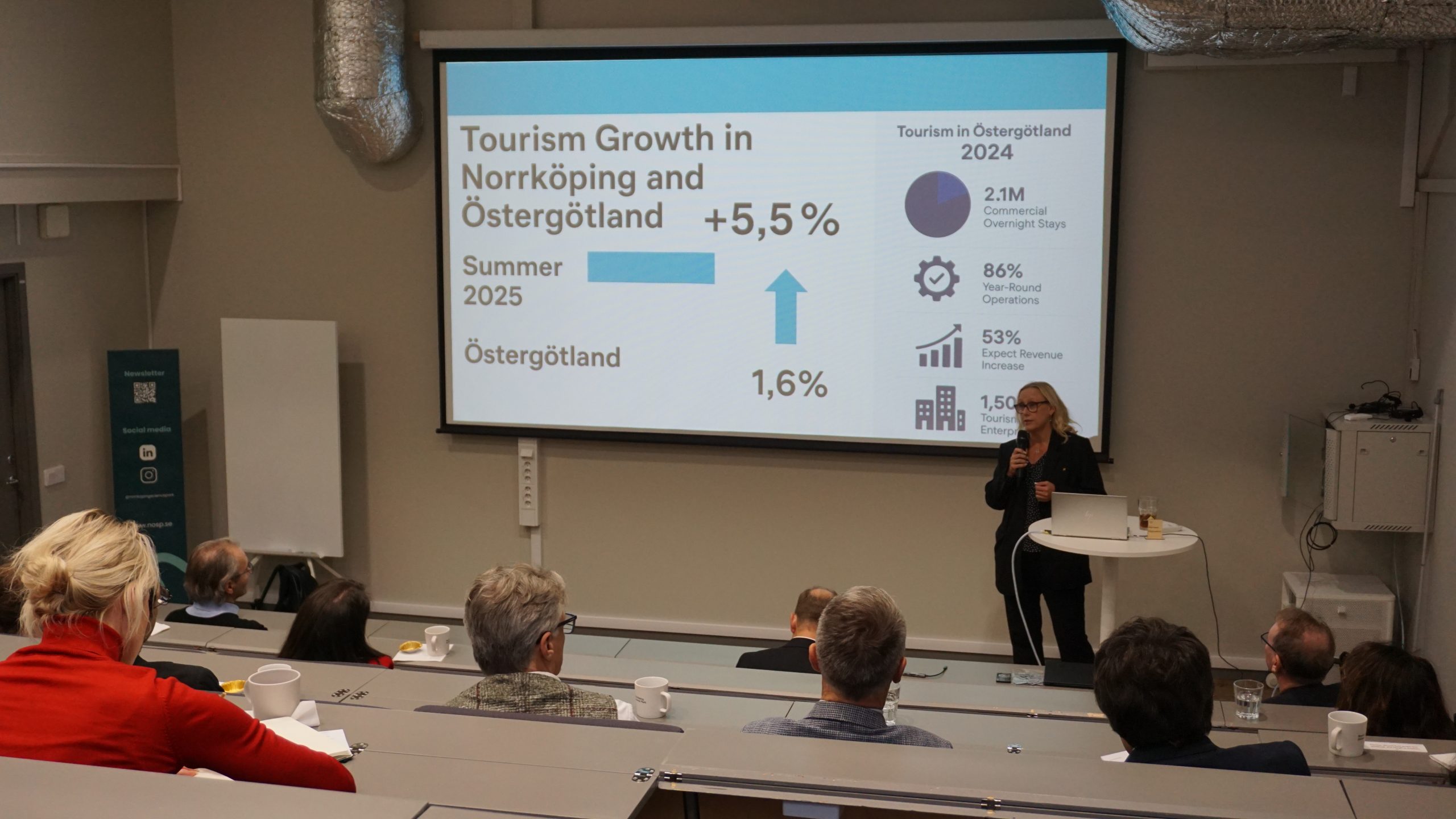
The visit continued to Hope Norrköping, the city’s hub for cultural and creative industries that brings together entrepreneurs, artists and innovators under one roof. Ms. Sandra Wall presented Östergötland’s growing profile as a UNESCO Creative City, and Mr. Jonas Nilsson highlighted the region’s science park and its role in bridging innovation, tourism and culture through active partnerships.
Innovation Pitches – Growing Global Through Cooperation
The visit concluded with company pitches from two promising scale-up innovators showcasing Swedish technology through global collaboration:
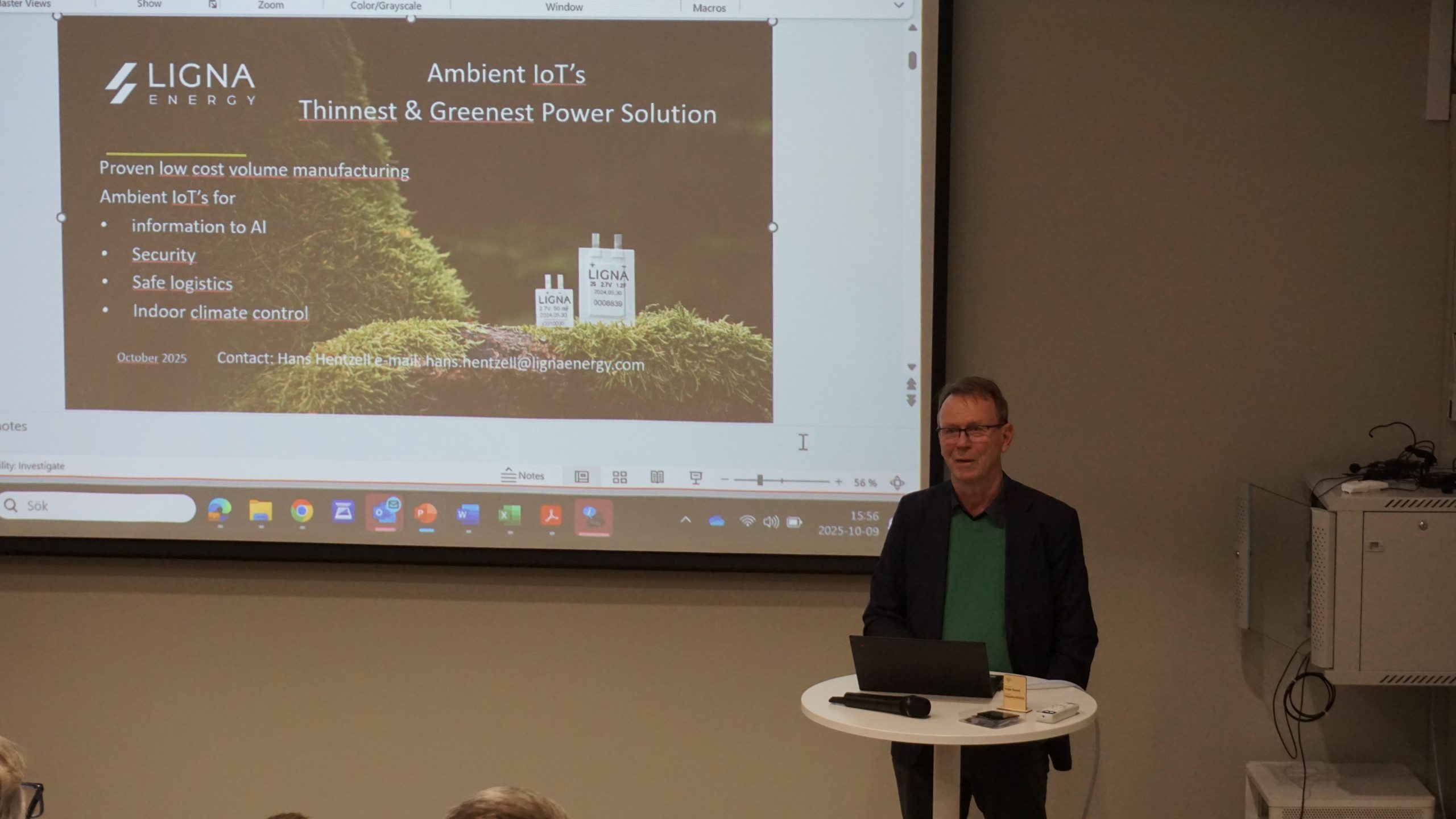
Ligna Energy (Norrköping) – Presented by Mr. Hans Hentzell, Chair of the Board, the company develops sustainable, forest-based batteries designed to significantly reduce environmental impact.
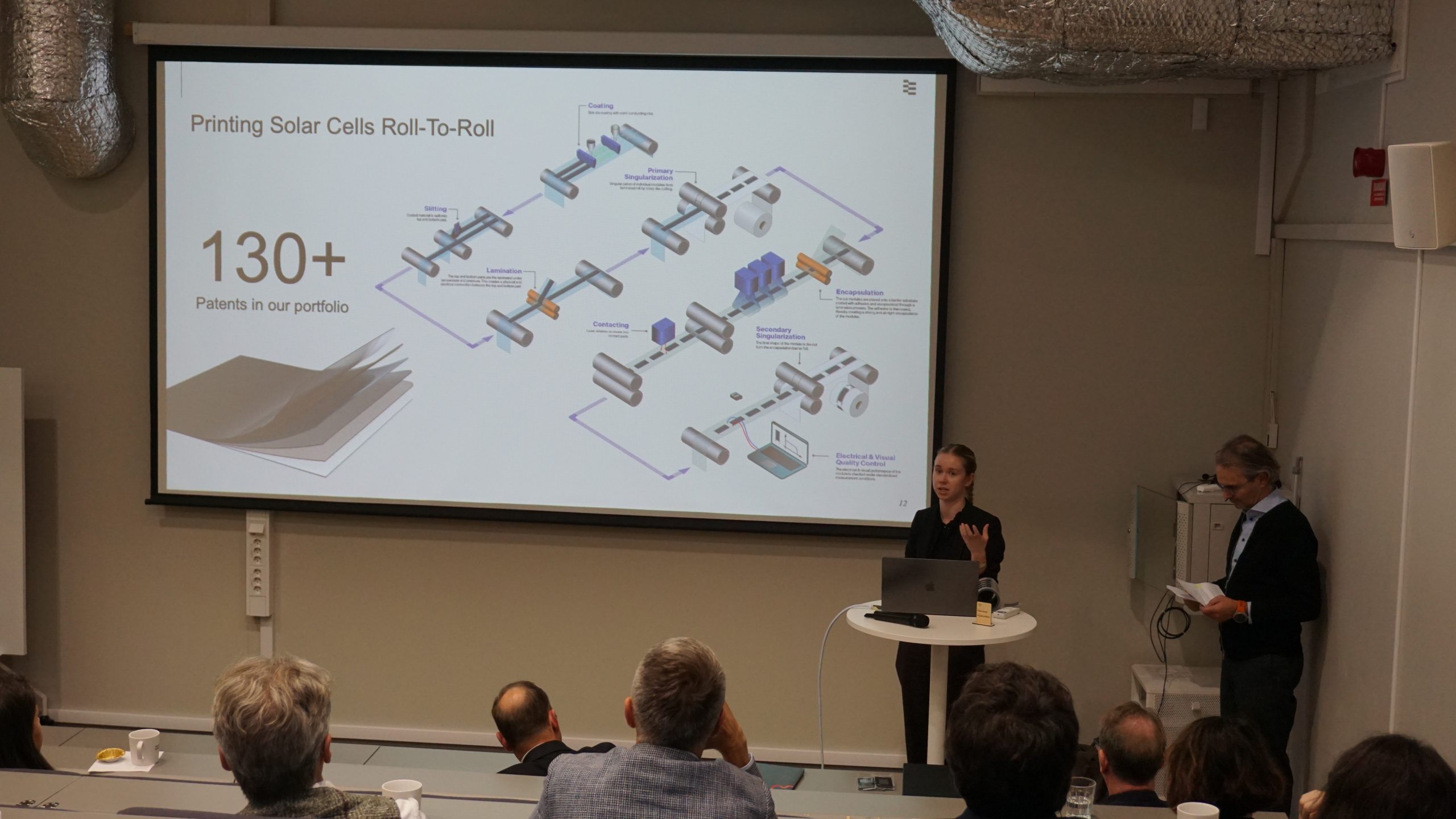
Epishine (Linköping) – Presented by Mr. Floriant Pellissier, Global Marketing Director and Ms. Lina Elmebro, Communications Manager, producing ultra-thin organic solar cells that capture indoor light for self-powered electronics, reducing battery waste and enabling greener IoT solutions.
Both companies reflected the region’s culture of collaborative innovation and global ambition, developed through close ties with Linköping University and local incubators.
Hope - A Creative Hub for Regional Collaboration
The visit continued to Hope Norrköping, the city’s hub for cultural and creative industries that brings together entrepreneurs, artists and innovators under one roof. Ms. Sandra Wall presented Östergötland’s growing profile as a UNESCO Creative City, and Mr. Jonas Nilsson highlighted the region’s science park and its role in bridging innovation, tourism and culture through active partnerships.
Innovation Pitches – Growing Global Through Cooperation
The visit concluded with company pitches from two promising scale-up innovators showcasing Swedish technology through global collaboration:
Ligna Energy (Norrköping) – Presented by Mr. Hans Hentzell, Chair of the Board, the company develops sustainable, forest-based batteries designed to significantly reduce environmental impact.
Epishine (Linköping) – Presented by Mr. Floriant Pellissier, Global Marketing Director and Ms. Lina Elmebro, Communications Manager, producing ultra-thin organic solar cells that capture indoor light for self-powered electronics, reducing battery waste and enabling greener IoT solutions.
Both companies reflected the region’s culture of collaborative innovation and global ambition, developed through close ties with Linköping University and local incubators.
A Model for Collaborative Growth
The ADS delegation’s visit to Östergötland underscored how collaboration is the defining strength of the region. Across every presentation, from cutting-edge research and industrial symbiosis to creative industries and sustainable technology, the same message was clear: progress in Östergötland is achieved together.
By combining knowledge, innovation and partnership, Östergötland stands as a model for how cooperation fuels sustainable growth and global competitiveness.
A Model for Collaborative Growth
The ADS delegation’s visit to Östergötland underscored how collaboration is the defining strength of the region. Across every presentation, from cutting-edge research and industrial symbiosis to creative industries and sustainable technology, the same message was clear: progress in Östergötland is achieved together.
By combining knowledge, innovation and partnership, Östergötland stands as a model for how cooperation fuels sustainable growth and global competitiveness.